
Two diseases, two phases
Crohn’s disease and ulcerative colitis are distinct inflammatory bowel diseases. Crohn’s can affect any part of the digestive tract, deeply and discontinuously; ulcerative colitis affects the colon continuously and superficially. That conditions nutritional management, especially where there has been surgical resection.
What both share is the alternation between flare and remission, and that is where the most frequent error concentrates: applying the restrictive flare diet for years while already in remission.
Eating during a flare
- Low residue. Less insoluble fibre: wholegrains, whole legumes, skins and seeds are temporarily removed.
- Simple textures and gentle cooking. Boiled, steamed, baked. Frying and grilling are avoided.
- Small volume, higher frequency. Five or six small meals rather than three large ones.
- Protein secured. This is the critical point. The temptation in a flare is to eat little of everything, and that is where muscle is lost. Protein is not restricted.
- Lactose according to tolerance. Intolerance is common during a flare and often transient. It does not mean removing it forever.
- Careful hydration. With diarrhoea there is fluid and electrolyte loss that water alone does not fully replace.
Eating in remission
Here the objective inverts completely. It is no longer about resting the bowel but about feeding the microbiota and preventing the next flare:
- Progressive reintroduction of fibre, prioritising soluble and fermentable fibre.
- Recovery of plant variety, which sustains microbial diversity.
- A Mediterranean-type pattern, which has the best available evidence in IBD remission.
- Enough protein to rebuild the muscle mass lost during the flare.
- Correction of deficiencies: iron, vitamin B12 — especially with terminal ileum involvement or resection — vitamin D, zinc and folate.
Maintaining the flare diet during remission is counterproductive: it impoverishes the microbiota, reduces intake of plant anti-inflammatory compounds and perpetuates nutritional deficit.
How to reintroduce fibre
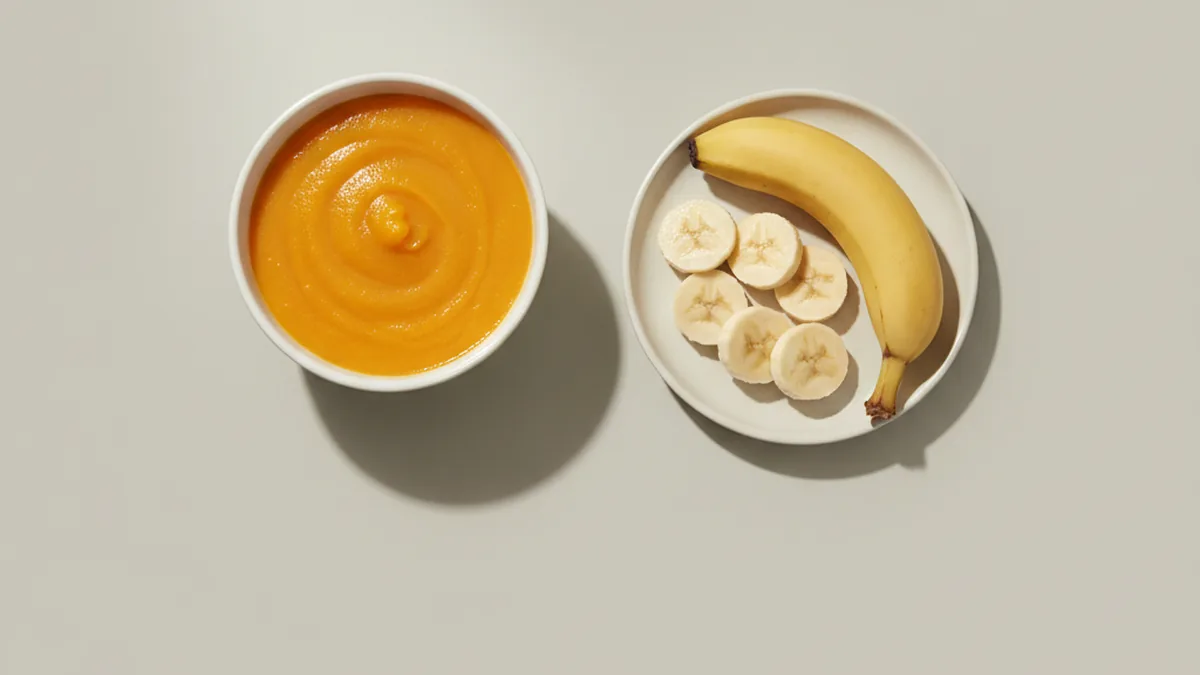
- Start with soluble fibre in cooked, peeled foods: carrot, pumpkin, ripe banana, well-cooked oats.
- Add legumes in small amounts, passed through a food mill initially to remove skins.
- Introduce fruit without skin, then with skin as tolerated.
- Reintroduce wholegrains, starting with the finer grains.
- Finally, raw vegetables and brassicas.
One new food every three or four days, in small quantity, noting the response. If something produces symptoms, step back and retry later: tolerance changes over time.
The silent risk
Skeletal muscle loss in inflammatory bowel disease is far more widespread than it is diagnosed, and it does not show on the scale. Three factors converge: chronic inflammation raises protein catabolism, flare periods reduce intake, and corticosteroids used in treatment have a catabolic effect on muscle.
The frequent result is a patient at apparently normal weight with low skeletal muscle mass, associated with worse treatment response, more postoperative complications and worse quality of life.
Measuring it changes management. A segmental medical bioimpedance tracks muscle mass and phase angle, which in chronic disease functions as a nutritional status indicator and has been associated with prognosis.
What not to do
- Remove gluten without confirmed coeliac disease. Only justified if coeliac disease is also diagnosed.
- Maintain the flare diet for months or years. Explained above.
- Follow broad exclusion diets found online. They reduce variety, compromise nutritional intake and have no support.
- Stop medical treatment because “the diet is working”. Clinical remission is not the same as inflammatory remission, and that decision belongs to your gastroenterologist.