
The insulin connection
Between 65 and 70 % of women with polyendocrine metabolic ovarian syndrome have insulin resistance, and it occurs both in women with overweight and in lean women.
The mechanism is direct: raised insulin stimulates ovarian androgen production and lowers sex hormone binding globulin, leaving more free testosterone circulating. That accounts for a good part of the clinical signs — cycle irregularity, acne, hirsutism — and explains why metabolic intervention improves the hormonal picture.
Why the order matters
The sensible therapeutic sequence is: insulin sensitivity first, body composition second, and weight as a consequence rather than a target.
Reversing that order — chasing weight first — is what produces the cycle of restrictive dieting, regain and deterioration that many patients recognise immediately when it is described. Each cycle tends to leave less muscle mass than the one before, and less muscle means worse insulin sensitivity.
Which dietary pattern has support
- Enough protein, distributed. 1.4 to 1.8 g per kilo daily. It protects muscle mass and improves satiety, which is especially relevant because insulin resistance associates with greater hunger.
- Quality carbohydrates, not absence of carbohydrates. Legumes, oats, whole tubers, whole fruit. Always accompanied by protein and fat, never alone.
- An anti-inflammatory pattern. Oily fish, olive oil, nuts, varied colourful vegetables, spices. Close to a Mediterranean pattern, adapted to what is available in Panama.
- Fewer free sugars and ultra-processed foods. The lever with the fastest effect on insulin.
- Strength training. Two or three sessions weekly. Not a complement to treatment: part of the treatment.
Is keto necessary?
No. And it is worth explaining why it is recommended so often.
Ketogenic diets improve insulin sensitivity, which is true and documented. The problem is attributing the effect to ketosis when it actually comes from several things happening at once: calorie reduction, elimination of free sugars, increased protein intake and fat loss. Those same effects are achieved with patterns that have much better long-term adherence.
Keto is a legitimate option if it works for you and you can sustain it. It is not a requirement, and its twelve-month dropout rate is high.
Why restrictive diets make it worse
Severe calorie restriction without adequate protein or strength stimulus produces skeletal muscle loss. Since muscle is the main tissue disposing of glucose, losing it worsens exactly the problem being addressed.
Severe restriction also raises cortisol and disturbs the hormonal axis, already dysregulated in this condition. This is where a body composition measurement stops being optional: without it there is no way to know whether weight loss is coming from fat or muscle.
Supplements with and without support
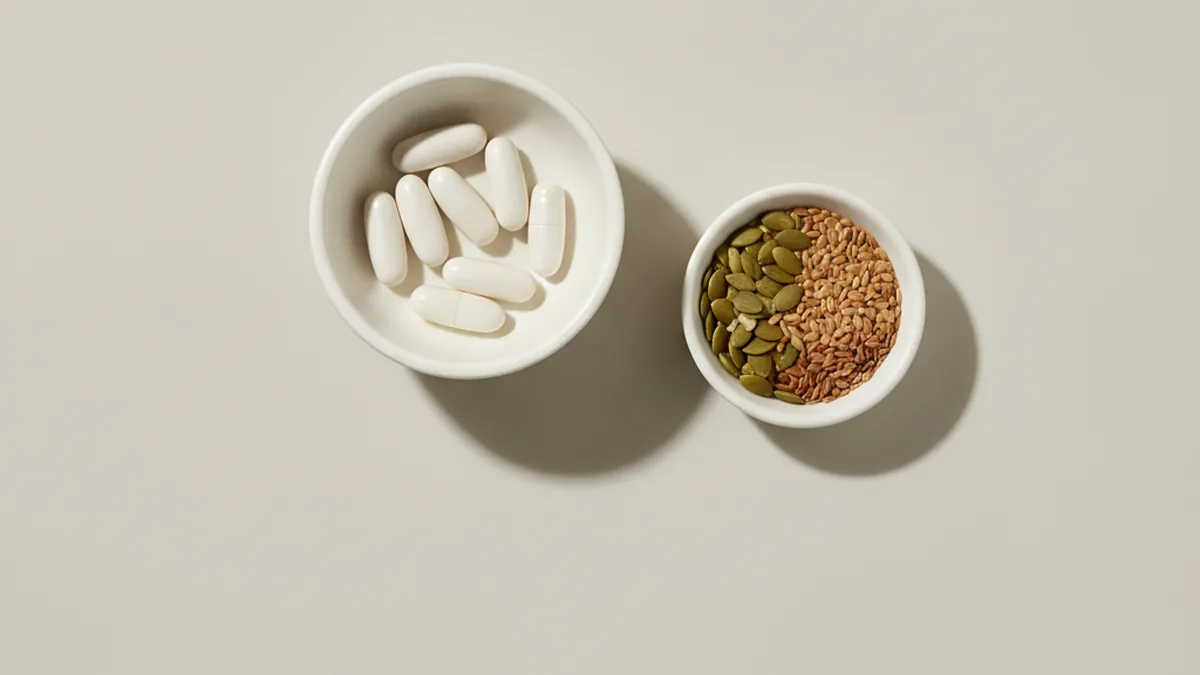
Reasonable evidence: inositol — particularly in the 40:1 myo to D-chiro ratio — has favourable studies on ovulation and insulin sensitivity. Vitamin D matters where deficiency is documented, which is frequent. Omega 3 has a modest effect on inflammatory markers.
Insufficient support: most commercial “hormonal” blends, detox teas and fat burners. They promise results they cannot deliver and in some cases interfere with medication.
Any supplement should be evaluated against your bloodwork and clinical context, not against a video. Exactly the kind of decision handled in advanced nutrition consulting.